
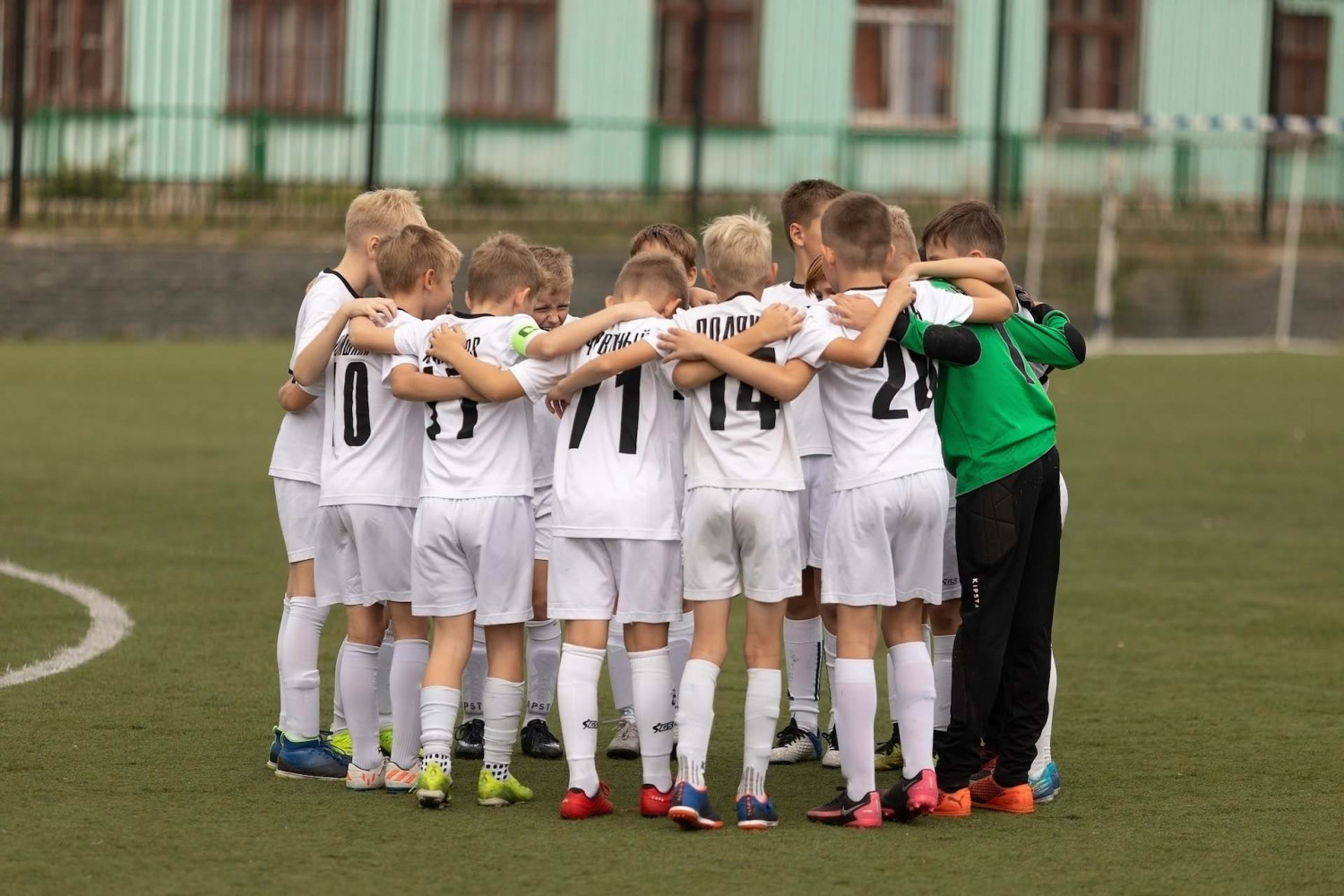

What age groups does Cheyenne Soccer Club offer programs for?
Youth soccer programs typically span ages 4-18, divided into age-appropriate divisions. Younger players focus on fundamental skills and small-sided games, while older groups progress to full-field play and tactical development. Age cutoffs usually align with school grade levels or birth year.
When does the soccer season start in Cheyenne?
Spring and fall seasons are most common in Wyoming's climate, avoiding winter weather. Registration typically opens 6-8 weeks before season start to allow team formation and coach assignment. Indoor or futsal programs may run during winter months when outdoor fields aren't playable.
How do I register my child for soccer in Cheyenne?
Most clubs use online registration systems where parents create accounts, select age divisions, and pay fees. You'll provide emergency contacts, medical information, and jersey size. Early registration often costs less than late sign-ups as clubs finalize field permits and equipment orders.
What equipment does my child need to play youth soccer?
Players need shin guards, cleats, and weather-appropriate athletic clothing. The club typically provides jerseys and sometimes shorts or socks. Avoid baseball or football cleats, which have toe studs that aren't allowed. Goalies need additional padded gloves if playing that position.
Does Cheyenne's high altitude affect youth soccer training?
Elevation above 6,000 feet reduces oxygen availability, making players fatigue faster initially. Coaches adjust practice intensity during the first 2-3 weeks as athletes acclimate. Hydration becomes more critical at altitude, and visiting teams from lower elevations often struggle with stamina in the second half.
What's the difference between recreational and competitive soccer?
Recreational leagues prioritize equal playing time, skill development, and fun with one practice weekly and weekend games. Competitive teams require tryouts, travel to tournaments, multiple weekly practices, and focus on winning and advancement. Cost and time commitment differ significantly between the two paths.
How often are practices and games during soccer season?
Recreational teams usually practice once weekly with one game on weekends. Competitive programs typically practice 2-3 times per week plus weekend games, sometimes including out-of-town tournaments. Weather cancellations are common in spring due to Wyoming's unpredictable conditions and field playability.
Can parents volunteer or coach without soccer experience?
Most youth clubs welcome parent volunteers and provide coach training through organizations like US Youth Soccer or AYSO. Training covers basic skills, age-appropriate drills, and safety protocols. Assistant coaches help with practice setup, communication, and game-day logistics without needing tactical expertise initially.
What happens if my child misses practices or games?
Recreational leagues are flexible since development and participation matter most. Competitive teams have stricter attendance expectations because tactics and team chemistry depend on consistent participation. Coaches appreciate advance notice for absences to adjust lineups and practice plans accordingly.
How are teams formed and players assigned?
Recreational programs often use draft systems or balanced placement to create even teams, sometimes honoring requests to play with friends. Competitive teams form through tryouts where evaluators assess technical skills, speed, and game understanding. Age, school, and geographic proximity may also influence team assignments.
GET IN TOUCH